

FAQ Of Water Softener System
Leave a message
What do water softeners remove?
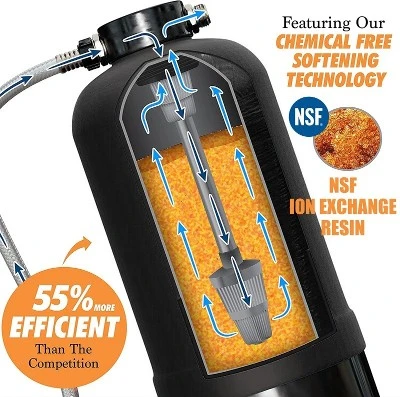
Water softeners specifically target calcium (Ca²⁺) and magnesium (Mg²⁺) ions - the primary minerals responsible for water hardness. Through ion exchange technology, these systems also capture and remove other positively charged mineral ions (cations), such as iron and manganese, from the water supply.
Does a water softener remove iron?
Water softeners can effectively eliminate small amounts of ferrous iron (soluble iron) from water. This type of iron causes water discoloration and leaves stubborn stains on bathroom fixtures. However, they struggle with ferric iron (insoluble particles), which clings to the resin bed and resists flushing during regeneration. This not only contaminates softened water with iron particles but also degrades the resin's effectiveness. When soluble iron oxidizes upon air exposure, it transforms into insoluble ferric iron. Therefore, while softeners can handle dissolved iron, high iron concentrations will partially convert to unmanageable insoluble forms. For water with significant iron content, using a specialized cleaner helps maintain the resin bed and extend its lifespan. For optimal iron removal, dedicated iron filters or advanced systems like reverse osmosis are recommended solutions.
Is soft water safe to drink?
Softened water remains perfectly safe for drinking. While the ion exchange process does introduce small amounts of sodium into the water (as resin beads swap sodium ions for hardness minerals), the sodium levels are minimal and well within safe limits. For instance, water with moderate hardness (5 grains per gallon or 86 ppm) gains only 37mg of sodium per quart after softening - less than 2% of the recommended daily sodium intake. To put this in perspective, common foods contain significantly more sodium: white bread has about 170mg per slice, while a single pizza slice contains approximately 640mg. The sodium contribution from water softeners is trivial by comparison.
The sodium content in softened water directly corresponds to the hardness minerals removed - for each milligram of hardness eliminated, the system adds two milligrams of sodium. This 1:2 ratio only raises concerns in regions with exceptionally hard water (exceeding 400 ppm). In such cases, adding a reverse osmosis (RO) system for drinking and cooking water is recommended. RO technology forces water through a specialized membrane that removes up to 99% of dissolved solids and salts. Those with medically-reduced sodium requirements (like hypertension or kidney patients) should particularly consider pairing their softener with an RO unit.


