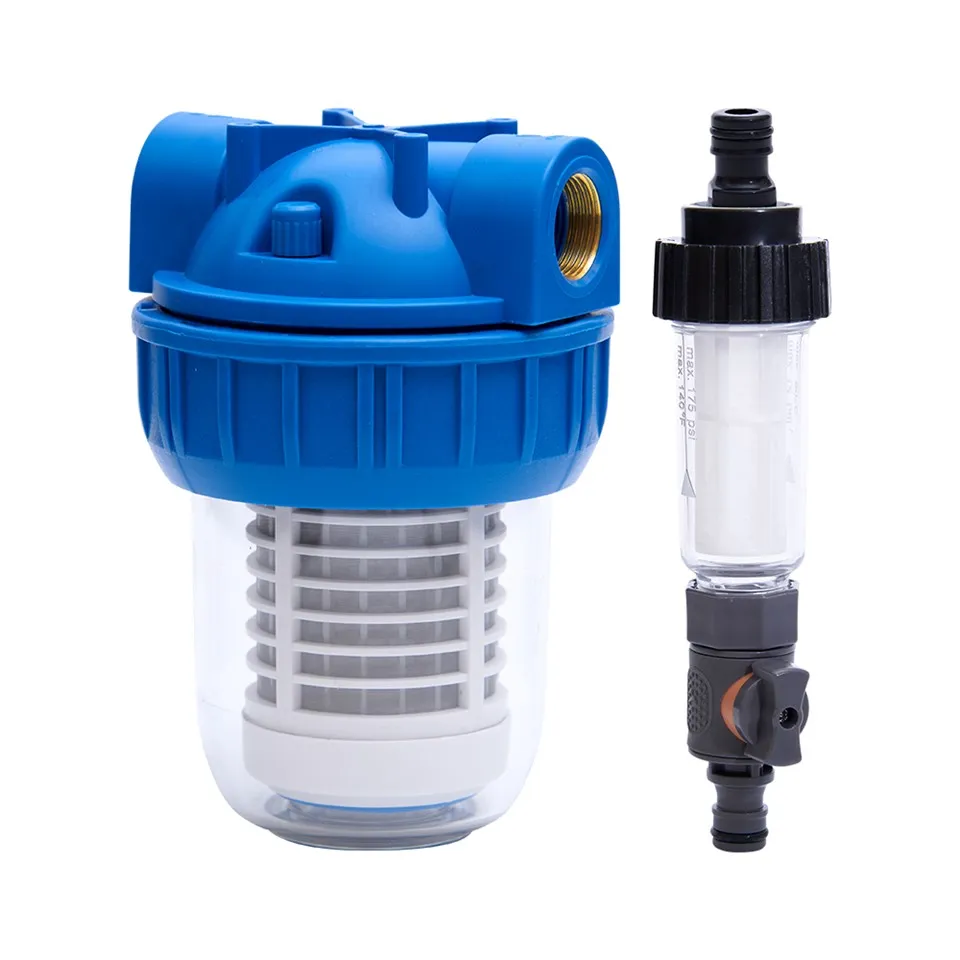
WHAT IS AN INLINE WATER FILTER — AND DO YOU NEED ONE?
Leave a message
Access to purified drinking water is fundamental for health and wellbeing. With growing awareness of water contamination risks, residential water filtration systems have become an essential household investment. Inline water filters, recognized for their efficiency and convenience, have emerged as a preferred solution among various filtration technologies. This comprehensive guide examines the critical role of home water purification, explains the operational principles of inline filtration systems, and evaluates their benefits and limitations to help you make an informed decision for your household's needs.
Why Is Home Water Filtration Important?
While water is essential for survival, untreated tap water may pose health risks that necessitate filtration. Modern home water purification systems address multiple critical needs: eliminating dangerous contaminants including heavy metals, chemical residues, and microbial pathogens; enhancing sensory qualities by removing chlorine and other taste-altering compounds; safeguarding household health through consistent delivery of pathogen-free water; and providing economic advantages by diminishing reliance on costly bottled water alternatives.

What Is an Inline Water Filter?
Inline water filters represent a built-in filtration solution that connects directly to plumbing pipelines, distinguishing them from faucet-mounted or under-sink units by processing all water passing through the supply line. These systems function through three key operational phases: professional installation at either the main water entry point or designated usage locations (such as kitchen appliances or bathroom fixtures); multi-stage purification utilizing composite filter media like activated carbon and sediment membranes for comprehensive contaminant removal; and scheduled maintenance involving cartridge replacements whose frequency is determined by both filter specifications and incoming water quality parameters.