Unveiling The Benefits Of Water Softener Systems
Leave a message
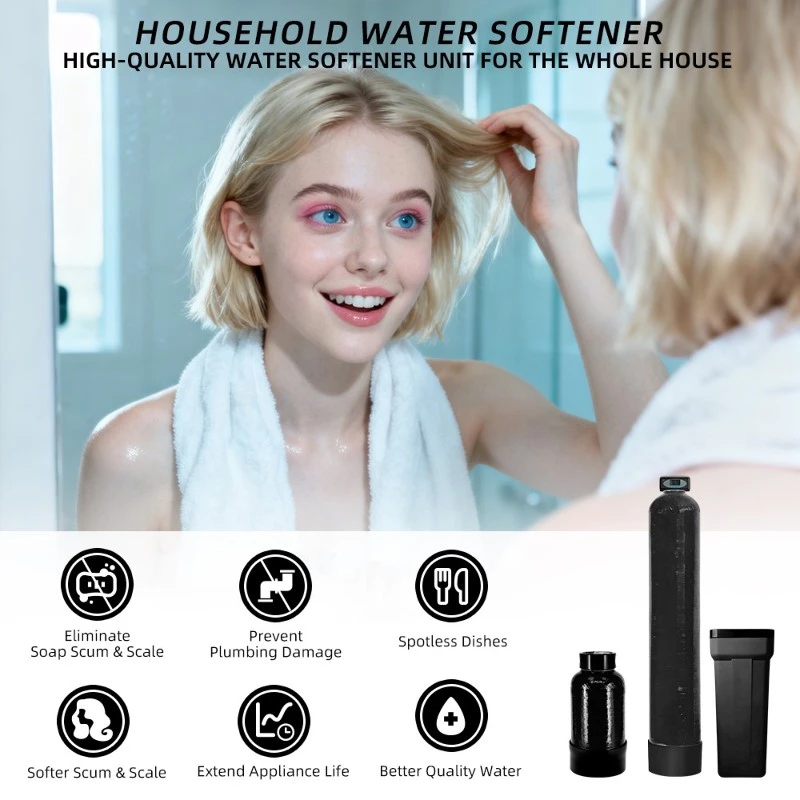
Living with hard water can be a persistent challenge that many homeowners recognize all too well. The telltale signs range from difficult-to-remove soap residue and skin irritation to premature appliance wear-all clear indicators of hard water's damaging effects. This is where water softening systems demonstrate their value, effectively transforming your water supply into a gentler, more home-friendly version.
I'm pleased to outline the significant benefits these systems provide and explain why installing a water softener represents such a wise investment for both residential and commercial properties.
Why Water Softener Advantages Matter
Hard water is characterized by elevated concentrations of minerals such as calcium and magnesium. Although these substances pose no health risk, they can cause significant damage to plumbing systems, household appliances, and even personal comfort. The following advantages make water softening systems a valuable consideration for any household.
By eliminating the minerals responsible for scale formation, a water softener provides crucial protection for your plumbing infrastructure and water-using appliances. This preventive approach maintains clear water passages and ensures appliances like water heaters and washing machines operate at their intended efficiency levels.
The economic benefits extend beyond appliance protection. With reduced mineral interference, appliances require less energy to operate and experience longer functional lifespans. This translates to measurable savings through decreased repair frequency and lower monthly utility expenditures.
The cleaning process becomes noticeably more effective with softened water. Soaps and detergents generate richer lather and rinse away completely, resulting in spot-free dishware, brighter laundry, and minimal residue accumulation on bathroom surfaces.
Personal grooming experiences also see remarkable improvement. Soft water's enhanced rinsing action prevents the drying effects associated with mineral deposits, leaving skin feeling naturally moisturized and hair noticeably softer after each wash.
What are the disadvantages of a water softener?
While water softening systems provide numerous advantages, it's valuable to examine some practical considerations before finalizing your decision.
The initial setup requires a meaningful financial investment that varies by system capacity and technology level. Though this upfront cost deserves consideration, many users find the long-term operational savings ultimately justify the initial expenditure.
Like many household systems, water softeners require consistent upkeep to maintain performance. This includes regular salt replenishment and periodic cleaning, as neglecting these routines can diminish system efficiency.
Environmental considerations also come into play with certain softening technologies. Salt-based systems produce brine discharge that requires proper management, while salt-free alternatives, though more eco-friendly, may show limitations in extreme hard water conditions.
It's also worth noting that softened water's elevated sodium content makes it less suitable for direct consumption. Many households address this by installing dedicated drinking water filtration systems alongside their softeners.
Despite these considerations, most users conclude that the protective benefits for plumbing and appliances substantially outweigh the limitations, making softeners a net positive for household management.