Top Benefits Of Using An Activated Carbon Water Filter Cartridge
Leave a message
Ensuring access to clean and safe drinking water remains a critical priority in the 21st century. Among the most widely adopted solutions for water purification in both households and industrial settings are activated carbon filter cartridges. This article highlights key benefits of using these filters, including their effectiveness in removing contaminants, improving water taste, and promoting overall health and wellness. By understanding these advantages, individuals can recognize the value of maintaining high-quality drinking water through such systems-contributing to healthier and more sustainable lifestyles.
What Is Activated Carbon?
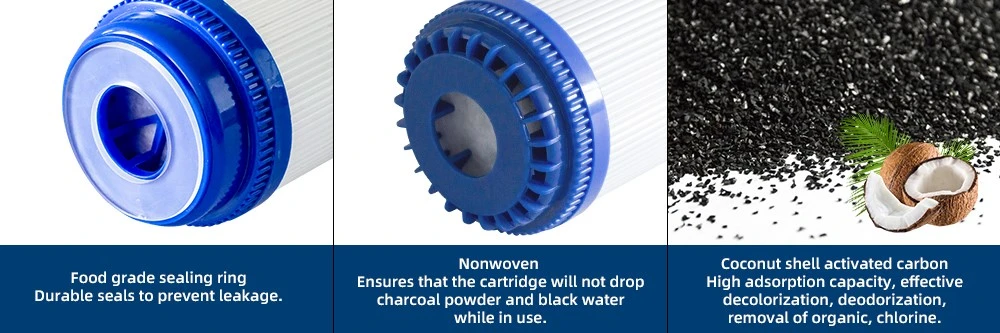
Activated carbon, also referred to as activated charcoal, is a form of carbon processed to maximize its surface area and minimize pore size, creating an extremely fine and dense porous structure. This treatment enhances its adsorption capacity, allowing it to efficiently capture impurities, chemicals, and other substances from water through a combination of surface chemistry and microporous architecture. Common raw materials for activated carbon include coconut shells, peat, coal, and wood. These materials undergo physical or chemical activation processes to further improve their adsorption performance, making them highly effective for various filtration uses-particularly in purifying drinking water.
How Does Carbon Block Filtration Improve Water Quality?
Carbon block filtration utilizes compressed activated carbon to purify water. This method is highly efficient due to the expanded surface area of the carbon block, which extends the contact time between water and the filtering medium. As water passes through the block, contaminants such as chlorine, volatile organic compounds (VOCs), pesticides, and herbicides are adsorbed onto its surface. Additionally, these filters can remove particulates, sediments, and certain heavy metals, significantly improving the clarity, taste, and overall quality of the treated water. The dense structure of carbon blocks ensures effective trapping of fine impurities, making them ideal for applications requiring simultaneous removal of chemical and physical contaminants. This dual-action filtration process delivers pure, safe, and great-tasting drinking water.
Understanding The Role Of Granular Activated Carbon In Water Purification
Granular Activated Carbon (GAC) effectively purifies water due to its extensive surface area and porous structure, which enable it to adsorb a wide range of contaminants. In contrast, carbon block filters are made by compressing carbon into solid blocks, whereas GAC consists of loose granules packed into a filter bed. As water passes through this granular bed, impurities such as chlorine, volatile organic compounds (VOCs), and other chemical toxins are trapped on the large surface areas of the carbon particles instead of flowing through with the water. This adsorption process is particularly efficient in high-flow conditions and significantly reduces unpleasant tastes, odors, and organic pollutants-making the water safer to drink while also enhancing its overall quality and sensory properties. Consequently, water treated with GAC offers improved health benefits and a better drinking experience.