

Know More About Salt-Free Water Softeners
Leave a message
Understanding How Water Softeners Work
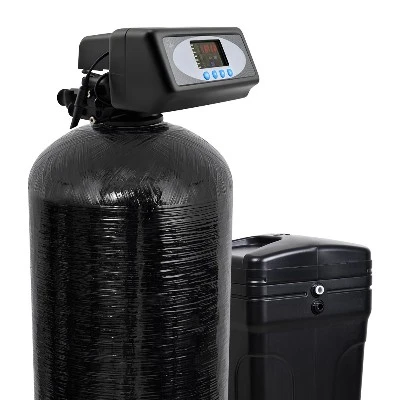
Water softening systems operate on the ion exchange principle, wherein hardness-causing calcium and magnesium ions are substituted with sodium or potassium ions that prevent scale formation. This transformation maintains constant total dissolved solids while replacing problematic minerals with non-scaling alternatives. For Phoenix residents, where groundwater naturally contains sodium, the incremental increase from softening represents a negligible addition to existing mineral content.
Sodium vs. Salt: What's the Difference?
A frequent source of misunderstanding involves the distinction between "sodium" and "salt"-related yet chemically distinct concepts. Water softening can be achieved without sodium introduction through potassium chloride substitution.
How Much Sodium Does a Water Softener Add?
When water softeners utilize sodium chloride during regeneration cycles, the incremental sodium increase remains minimal. To provide contextual understanding, one gallon of softened water contains sodium equivalent to approximately two bread slices. Both the U.S. Environmental Protection Agency and the New England Journal of Medicine have published research indicating that sodium contributions from water softening present negligible health concerns for the general population.
For Sodium-Restricted Diets: Use Reverse Osmosis
Individuals following sodium-restricted dietary regimens can still utilize whole-house water softening while controlling drinking water sodium levels through reverse osmosis implementation. Installing an RO unit at kitchen or dedicated drinking faucets provides effective sodium removal alongside comprehensive contaminant filtration, delivering purified low-sodium drinking water that eliminates bottled water dependency.


