HOW DO I KNOW IF MY HARD WATER IS AFFECTING MY SKIN AND HAIR?
Leave a message
If you're experiencing unexpected skin dryness or noticing your hair has lost its natural luster, the cause may be running straight through your faucets. Hard water, which contains elevated levels of minerals such as calcium and magnesium, frequently contributes to these cosmetic concerns despite often going unrecognized.
What Is Hard Water?
Hard water contains elevated concentrations of minerals, primarily calcium and magnesium. Although these substances pose no health risks, they often create undesirable effects on skin and hair.
Signs Hard Water Is Affecting Your Skin
When facing dry, irritated skin, it's natural to attribute it to climate or skincare products-yet the true cause might be flowing from your taps. Hard water deposits mineral residues that deplete the skin's natural oils, resulting in dryness and sensitivity. Moreover, its high mineral concentration can diminish the efficacy of skincare formulations and potentially clog pores. This disruption to the skin's natural equilibrium may trigger acne and various other dermatological concerns.
Recognizing these indicators promptly allows you to implement protective measures and restore your skin's vitality. Always remember that the water you use daily should enhance your health and comfort-never compromise it.
How Hair Reacts To Hard Water
When hair develops a brittle or straw-like texture, this frequently indicates that elevated mineral levels in hard water are compromising its natural structure and resilience.
These minerals form a coating around hair strands, depleting natural moisture and shine while increasing susceptibility to tangling and reducing manageability. The mineral accumulation can also irritate the scalp, leading to persistent itching.
The Science Behind The Impact
The impact of hard water on skin and hair originates from its elevated mineral concentration. These excess minerals interact with soaps and shampoos, diminishing their cleaning efficiency.
Rather than generating rich lather, the minerals bind with cleansing products to form soap scum, which deposits a filmy layer on skin and hair surfaces. It is this residual film that causes the characteristic dryness, irritation, and lack of shine commonly associated with hard water exposure.
How To Recognize Hard Water
The effects of hard water extend far beyond personal care concerns, manifesting in multiple aspects of household management. Key indicators to observe include soap scum formation, which presents as both reduced lathering capability and a white filmy residue accumulating on bathroom surfaces. Additionally, watch for staining on dishware-particularly white spots or cloudiness appearing on glassware after cleaning-and laundry problems where fabrics develop stiffness and faded appearance post-wash.
Residential Water Softeners Can Cause Healthier Skin And Hair
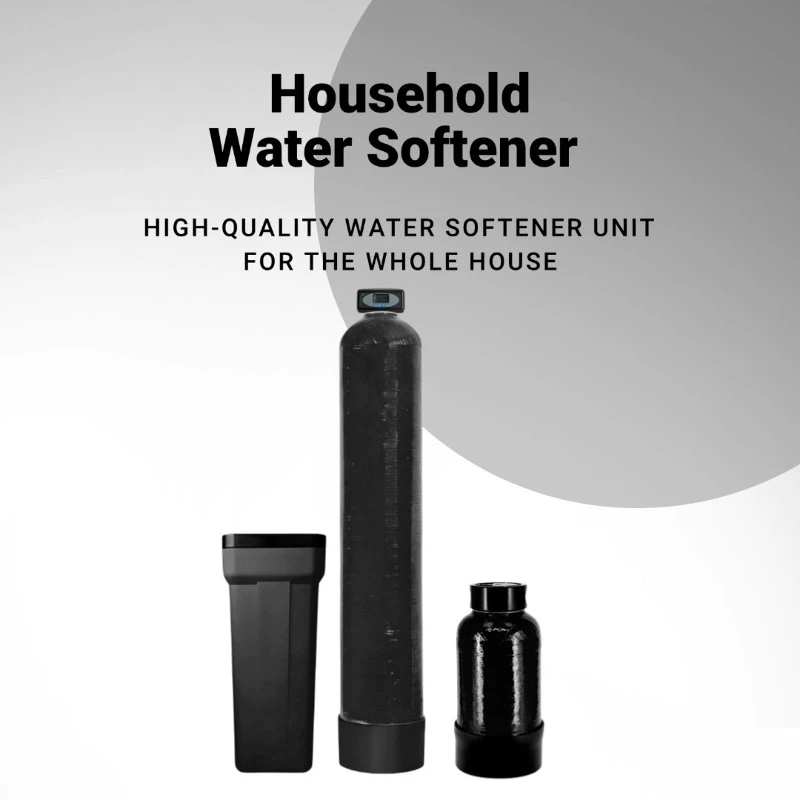
Installing a whole-house water softening system represents one of the most effective strategies for mitigating hard water impacts. These systems utilize ion exchange technology to substitute calcium and magnesium ions, thereby significantly reducing water hardness.
This transformation not only helps maintain the natural equilibrium of your skin and hair but also optimizes the performance of cleansing products. You'll notice improved lathering and more complete rinsing, leaving surfaces free of residue.
For detailed explanations of the technology or personalized recommendations for your household, our experienced team possesses the expertise to address all your inquiries thoroughly.