

Frequently Asked Questions Of Deionized Water
Leave a message
Is it safe to drink deionized water?
Health experts advise against consuming deionized water due to its ion-deficient composition. The water's mineral-free nature causes it to leach essential electrolytes (including calcium and magnesium) from bodily tissues, which may result in nutritional deficiencies and associated health risks with prolonged consumption.
Does your water need more ions?
For optimal hydration and long-term health benefits, choose mineralized drinking water containing essential ions. These dissolved minerals prevent the depletion of your body's electrolyte reserves, enabling efficient rehydration while eliminating potential health risks associated with demineralized water consumption.
How is deionized water different from regular tap water?
The deionization process employs specialized ion-exchange resins to chemically remove dissolved minerals and impurities from water, resulting in ion-depleted H₂O. In contrast, conventional tap water retains its natural ionic composition and mineral content.
How do I make deionized water?
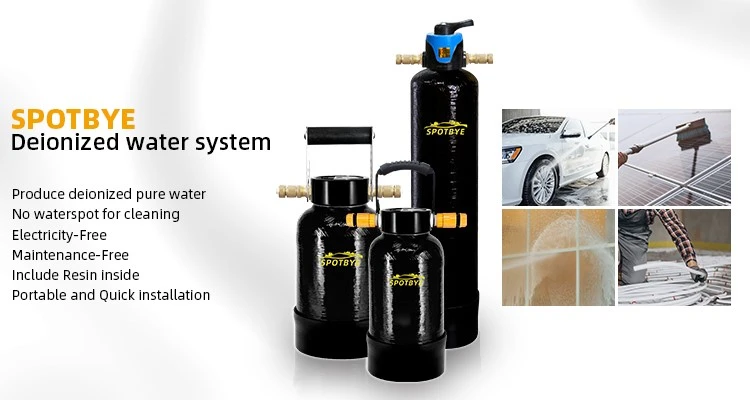
Producing deionized water requires an ion-exchange system housed in a specialized container. Options range from basic deionization filters to advanced mixed-bed purification units, depending on your specific needs and budget.
Is bottled water deionized?
Commercial bottled water never undergoes deionization, as this would produce mineral-depleting water that could harm the body. Most brands instead utilize reverse osmosis purification - a process that selectively removes contaminants while preserving essential minerals.


