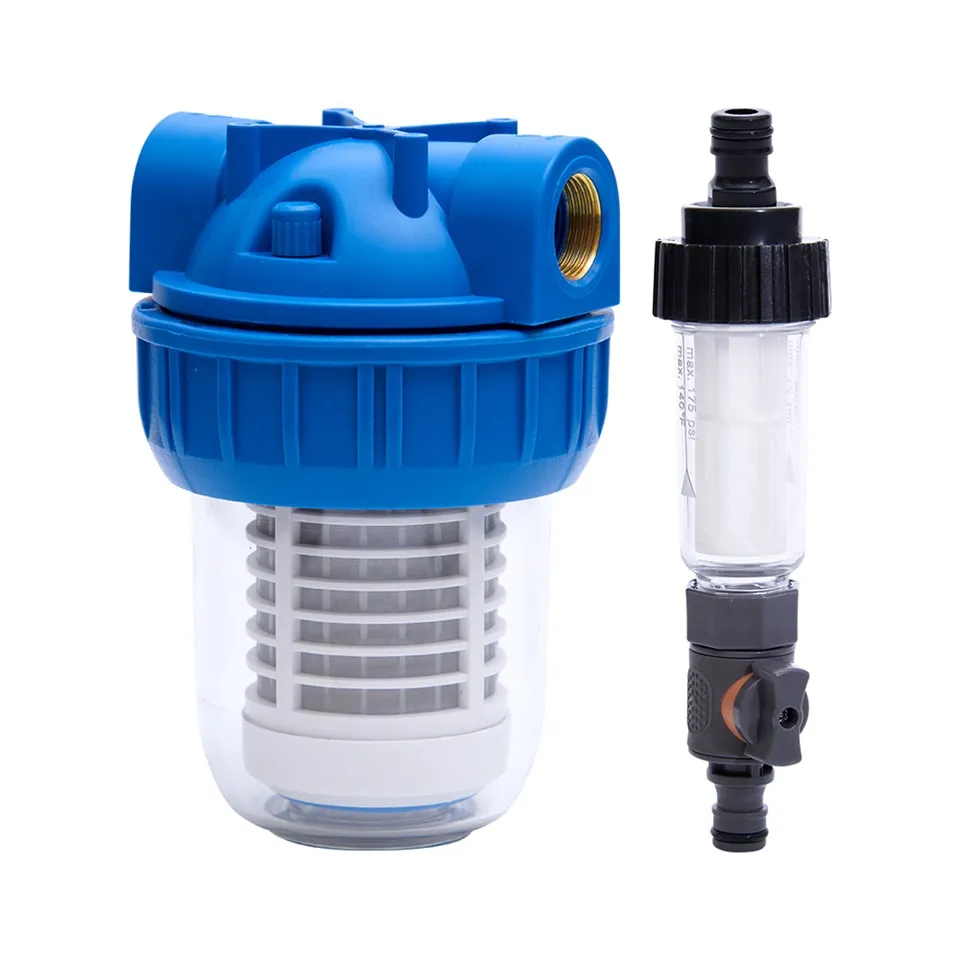
Essential Guide To Filter Housings
Leave a message
What are things to consider when choosing filter housings?
When selecting filter housings, carefully evaluate these key specifications: piping-compatible port connections, installation methods for cost-effective setup, pressure capacity matching operational demands, manual/automatic drainage configurations, flow rate specifications, operating temperature range, compliance with standard requirements, precise model specifications to avoid mismatch, construction materials, and total cost of ownership including maintenance.

What is the difference between high- pressure and low-pressure filter housing?
High-pressure housings feature enhanced structural durability to withstand elevated pressures and temperatures, resulting in higher manufacturing costs. Conversely, low-pressure housings are designed for standard pressure applications and offer more economical pricing.
Which factors will affect the efficiency of the filter housing?
The performance efficiency of filter housings is determined by multiple factors: proper maintenance procedures, fluid characteristics, housing construction materials, correct installation methods, and operational conditions such as working pressure, temperature range, and system flow velocity.
How do you clean filter housing?
For routine maintenance, filter housings can be effectively cleaned with warm soapy water and gentle brushing, followed by thorough rinsing and disinfection using a bleach solution. A prompt leak inspection is recommended post-cleaning. In comparison, backwash filter systems offer automated self-cleaning functionality, enabling uninterrupted operational continuity.
How can you maintain filter housing?''
Regular maintenance of filter housings necessitates thorough visual inspections to identify any structural cracks or surface defects, along with comprehensive leak testing to ensure system integrity. Critical attention must be given to verifying the airtight seal of all gaskets and O-rings, with immediate replacement required for any leaking components. Proper maintenance further involves protecting threaded connections during disassembly, applying appropriate lubricants, and following systematic cleaning protocols. Prior to opening the system, complete fluid drainage and pressure release are essential safety measures, particularly when handling potentially toxic gases. Finally, confirming the drain valve is securely closed after servicing completes the maintenance cycle.