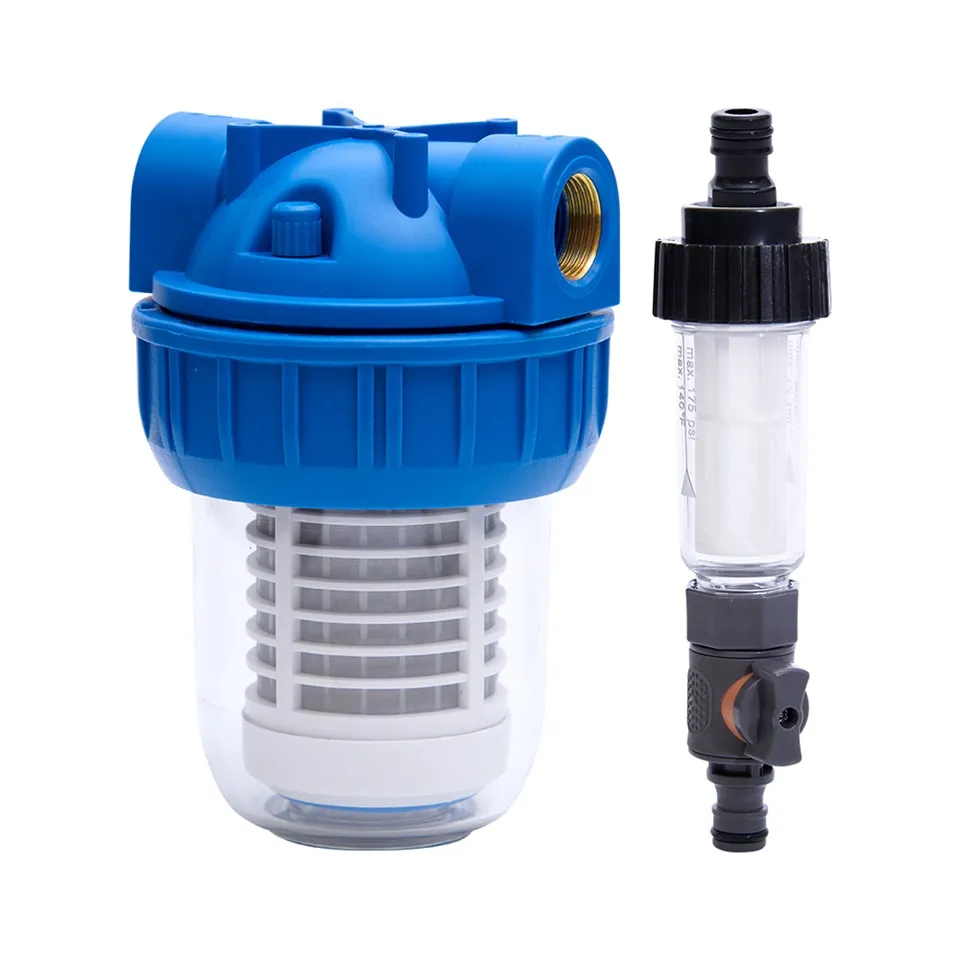
CARBON WATER FILTER: FUNCTIONS AND BENEFITS
Leave a message
Activated carbon has emerged as a vital material across multiple industries in contemporary applications, playing pivotal roles in cosmetics production, medical treatments, and agricultural processes. Its most significant application, however, lies in water purification systems-from residential installations to industrial-scale treatment plants.
Definition of carbon filters
Carbon filters consist of activated carbon in either solid block or granular form, specifically engineered for integration into water purification systems. Certain variants utilize charcoal as the base material, often enhanced with natural substrates like coconut shells or wood fibers-these composite filters frequently serve as prefiltration components in reverse osmosis setups to optimize membrane performance.
What is a Granular Activated Carbon (GAC) Water Filter?
Granular Activated Carbon (GAC) filtration systems employ a bed of loose carbon granules combined with specialized mineral substrates to effectively reduce a wide spectrum of chemical contaminants in water. These systems demonstrate notable purification capabilities, including chlorine reduction efficiencies reaching 98%, pesticide removal rates up to 85%, and effective elimination of various organic compounds-collectively contributing to significant improvements in water's organoleptic qualities by neutralizing unpleasant tastes and odors.
What is a Carbon Block Filter?
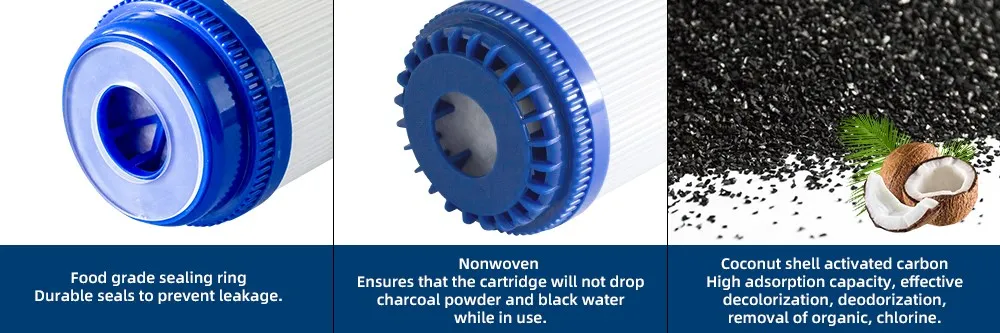
The carbon block filter represents an advanced activated carbon filtration technology, constructed from densely compressed carbon blocks typically derived from materials like processed coconut shells or other organic substrates. This system serves dual purification functions: effectively eliminating waterborne contaminants while neutralizing unpleasant odors. Its versatile design allows for either independent operation or seamless integration with reverse osmosis systems as a complementary pretreatment stage.
Engineered for multifunctional applications, these filters demonstrate exceptional adaptability across commercial installations, whole-house water treatment systems, and point-of-use (POU) devices. Their certified sediment removal capabilities are achieved through customizable material compositions, with manufacturing options including coal-based, wood-derived, or coconut shell-activated carbon formulations to suit specific water treatment requirements.
The main benefits of choosing a carbon filter
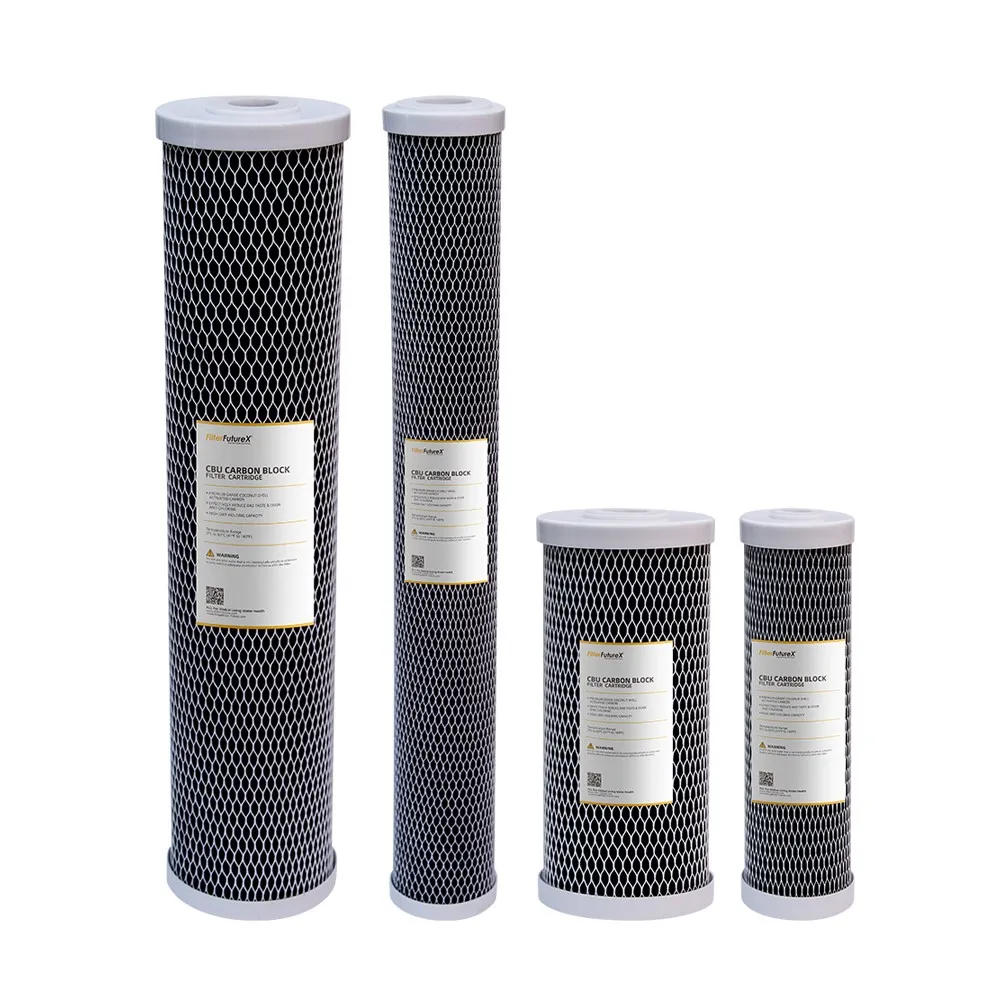
Investing in this advanced filtration technology offers multiple compelling advantages for residential water treatment. These systems significantly decrease chlorine concentration and other hazardous contaminants while enhancing water's organoleptic properties through taste and odor improvement. Their protective function extends to household plumbing by mitigating pipe corrosion risks, and their versatile design accommodates diverse water sources-from municipal supplies to private wells-with equal efficacy across both hard and soft water conditions.