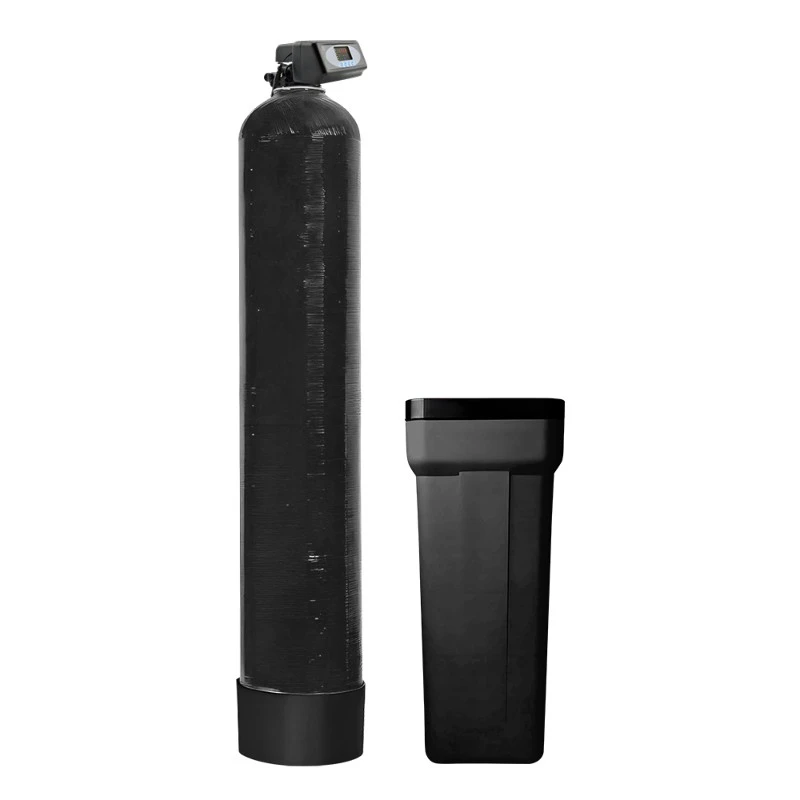
6 Signs You Need To Replace Your Water Softener
Leave a message
Your water softening system performs essential work to maintain water quality, though like all mechanical equipment, its lifespan is finite. Gradual component degradation may eventually compromise performance, resulting in increasing water hardness and associated complications. When you notice recurring issues like skin dryness, mineral deposits, or diminished laundry brightness, replacement often becomes the necessary solution.
Fortunately, proactive intervention can prevent complete system failure. By recognizing these six key indicators, you can determine the optimal time to upgrade your water softener before multiple problems accumulate.
Your Water Tastes or Smells Off
Have you detected a metallic or salty taste in your water, or noticed unpleasant odors that recently emerged? Such sensory changes frequently serve as initial indicators that your water softening system is no longer functioning optimally.
The resin beads within the softening unit gradually lose their ion-exchange capacity over extended use. When standard maintenance procedures-such as resin cleaning or salt replenishment-fail to resolve these issues, installing a replacement system often becomes the most practical solution.
Your Skin and Hair Feel Dry and Irritated
Have you been experiencing skin tightness or itchiness following showers? Does your hair appear lackluster, brittle, or limp regardless of your haircare products? These symptoms may indicate that your water softening system is no longer effectively removing hardness minerals such as calcium and magnesium.
Hard water deposits residue that can clog skin pores while depleting natural moisture from both skin and hair. With prolonged exposure, this often results in persistent dryness, irritation, and may even exacerbate existing dermatological conditions like eczema.
When these concerns coincide with a softener exceeding ten years of service or requiring frequent repairs, replacement typically becomes advisable. A new water softening unit can reestablish balanced water composition, helping restore your skin and hair to their refreshed, healthy state.
You're Seeing White, Chalky Residue
The appearance of white, chalky deposits on faucets, showerheads, and dishware often indicates declining performance in your water softening system.
This mineral accumulation, commonly referred to as limescale, progressively forms on household surfaces. Persistent deposits can eventually cause showerhead blockages, diminished water pressure, and potential appliance damage. If routine cleaning fails to control the buildup or it consistently reappears, replacing your water softener likely represents the most effective long-term solution.
Your Laundry Is Fading or Stiff
When fabrics and linens develop a rough texture or appear faded and grayish despite recent washing, hard water likely serves as the underlying cause. A malfunctioning water softening system allows hardness minerals to interfere with detergent dissolution, leaving particulate residues on textile surfaces. This mineral buildup gradually diminishes color vibrancy while creating a characteristically stiff, abrasive tactile experience.
Your Water Pressure Is Dropping
Have you observed a gradual reduction in your household's water pressure? Over time, minerals such as calcium and magnesium can accumulate within plumbing systems, forming obstructions that restrict water flow.
When a water softening system fails to effectively remove these minerals, your pipes inevitably begin to show the effects. Without intervention, this mineral accumulation can progress to the point of requiring costly repairs.
If you're encountering diminished water pressure and suspect hard water as the underlying cause, verifying your softener's performance becomes essential. Replacing an underperforming unit may be necessary to regain optimal water flow and prevent subsequent infrastructure damage.
It's Been Over a Decade Since Your Last Upgrade
Consider the age of your current water softening equipment. Most residential systems are designed with a functional lifespan of approximately 10 to 15 years, influenced by usage patterns and maintenance consistency. Units approaching or exceeding this timeframe often demonstrate diminished performance capabilities.
Aging systems gradually lose mineral removal efficiency despite regular maintenance, while simultaneously lacking the advanced technology and energy-saving features incorporated in contemporary models. Modern units offer enhanced operational economics through reduced water and energy consumption over their service life.
When your water softener exceeds ten years of service while presenting persistent operational challenges, upgrading to a current-generation system typically represents the most prudent long-term solution.