Why Hard Water Is Bad for Your Skin and Hair
Leave a message
Water quality plays a fundamental role in personal care, directly influencing the condition of your skin and hair. Hard water-characterized by elevated concentrations of minerals such as calcium and magnesium-can compromise personal wellness, often leading to dryness, irritation, and structural damage to hair and skin.
This article examines the adverse effects of hard water on skin and hair health, detailing specific impacts while presenting practical solutions. By understanding these effects, you can implement more effective personal care strategies to support your overall wellbeing.
How Does Hard Water Affect My Hair?
Scalp Dehydration
A mineral residue from hard water forms a film on the scalp, obstructing oil gland function. This results in dryness, flaking, and persistent itching as the scalp loses its natural moisture retention capacity.
Follicular Complications
Mineral deposits from hard water may accumulate within hair follicles, creating blockages that cause irritation and inflammation. This obstruction can also inhibit hair growth, gradually leading to thinning hair density.
Strand Moisture Depletion
Hard water compromises the hair's hydration retention, leaving strands feeling coarse, lifeless, and difficult to style. This moisture deficiency is often misattributed to inadequate hair care when water quality is the primary factor.
Aesthetic Deterioration
The mineral content in hard water contributes to lackluster texture, increased frizz, and reduced volume. For color-treated hair, these minerals can interact with dye chemicals, necessitating more frequent treatments while accelerating damage.
Structural Degradation
Dehydrated hair becomes fragile and prone to breakage, potentially escalating to noticeable hair loss. Prolonged exposure leaves hair appearing visibly unhealthy and weakened.
Cleansing Inefficiency
Hard water reduces shampoo effectiveness, leaving behind an undesirable residue. This creates a perpetual "unclean" sensation while contributing to product buildup that further complicates hair management.
How Does Hard Water Affect My Skin?
Skin Dryness and Discomfort
A soapy residue from hard water forms a barrier on the skin's surface, impeding natural oil secretion. This results in noticeable dryness and irritation, often accompanied by a persistent tight, uncomfortable sensation.
Aggravation of Dermatological Conditions
For individuals with sensitive skin, eczema, or psoriasis, hard water can intensify symptoms. The mineral content in such water heightens dryness levels, increasing both irritation frequency and severity.
Pore Congestion
Mineral particles in hard water may accumulate within pores, creating blockages that contribute to acne formation and related skin concerns. This often leaves skin with a tacky texture and lackluster appearance.
Compromised Nail Integrity
Hard water dehydrates the nail bed, leading to increased brittleness and discoloration. Prolonged exposure weakens nail structure, making them more susceptible to cracking and splitting.
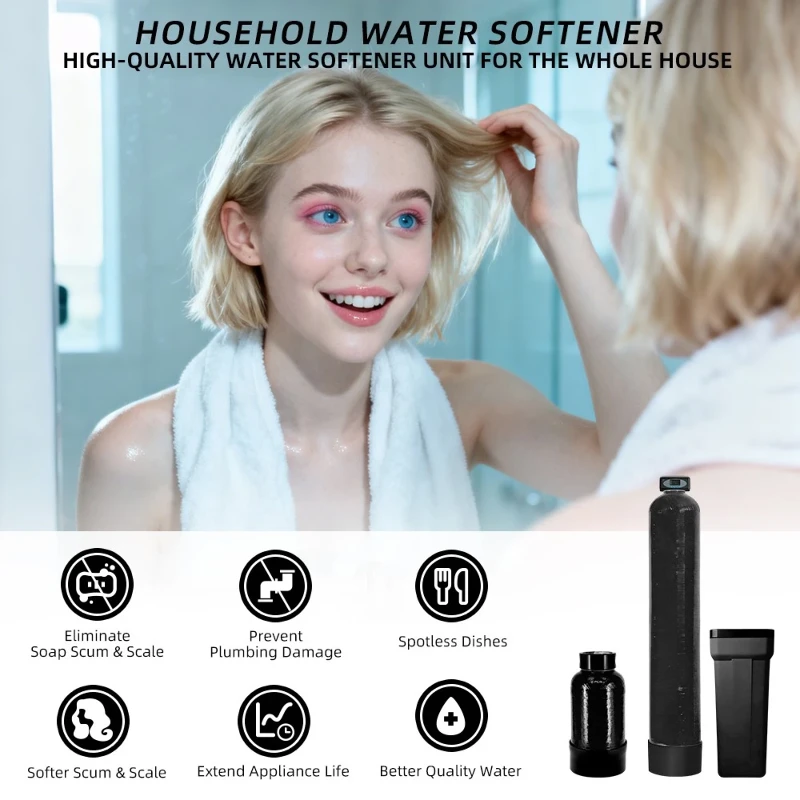
Benefits of Using a Water Softener
Extended Plumbing and Appliance Durability
Soft water inhibits mineral accumulation within pipes and water-using appliances, reducing blockages and minimizing mechanical stress. This preservation of system integrity decreases repair frequency and prolongs the operational lifespan of household infrastructure.
Improved Skin and Hair Condition
Soft water enhances personal hygiene by thoroughly removing soap and shampoo residues. This results in noticeably softer, better-hydrated skin along with shinier, more manageable hair.
Enhanced Cleaning Performance
The use of soft water optimizes the effectiveness of soaps and detergents. Dishes emerge without water spots, laundry appears brighter with improved fabric texture, and bathroom surfaces require less intensive scrubbing due to reduced soap scum formation.
Improved Water Taste and Odor Profile
Soft water offers a cleaner sensory experience with the elimination of excess minerals like calcium and magnesium. This creates more pleasant drinking water and enhances the flavor of prepared beverages and meals.
Long-Term Financial Benefits
Adopting soft water leads to measurable economic advantages through reduced appliance replacement costs, fewer plumbing repairs, and decreased consumption of cleaning products-all while maintaining superior cleaning results.
Transitioning to a water softening system delivers these comprehensive benefits while significantly elevating your household's overall water quality.