

Types of water filter technologies & how they work
Leave a message
These filtration units significantly enhance both the taste and purity of your drinking water. Below we'll explain the operational principles of these systems and the specific contaminants they remove from your water supply.
Types of water filter technologies & how they work
Mechanical water filters
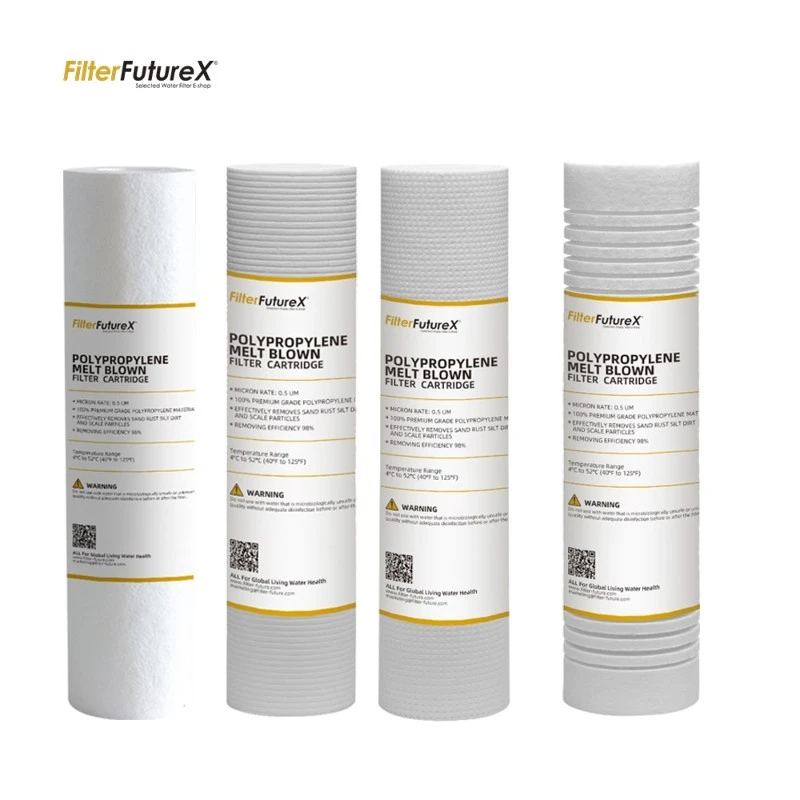
Sediment filters operate as mechanical filtration systems that physically screen out particulate matter through mesh or porous barriers. The filtration efficiency directly correlates with pore density-finer mesh structures capture greater quantities of impurities.
Common variants utilize ceramic elements or densely-woven cotton fibers, both featuring microscopic passages that permit water molecules to flow while intercepting contaminants including silt, corrosion particles, and specific microorganisms.
Activated carbon water filter
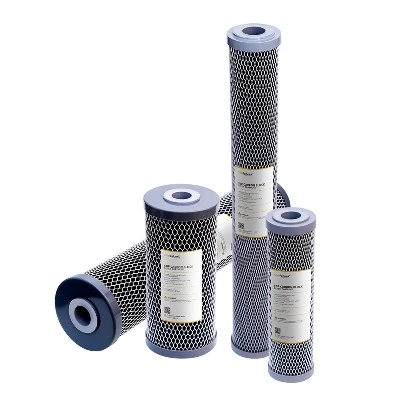
Carbon filters function through absorption, where contaminants are drawn into and retained within the porous structure of carbon particles. Due to their substantial size, these carbon particles-along with the captured impurities-can then be effectively removed from the water supply.
These filters are available in both granular and solid block formations. In either configuration, the extensive porous surface area of the carbon proves highly effective at capturing and retaining unwanted substances.
Ion exchange water filter
Water containing elevated concentrations of minerals such as calcium and magnesium is commonly classified as "hard water." This classification stems from the tendency of these minerals to form limescale deposits within plumbing systems and appliances. The mineral composition may also impart a subtle metallic flavor to the water.
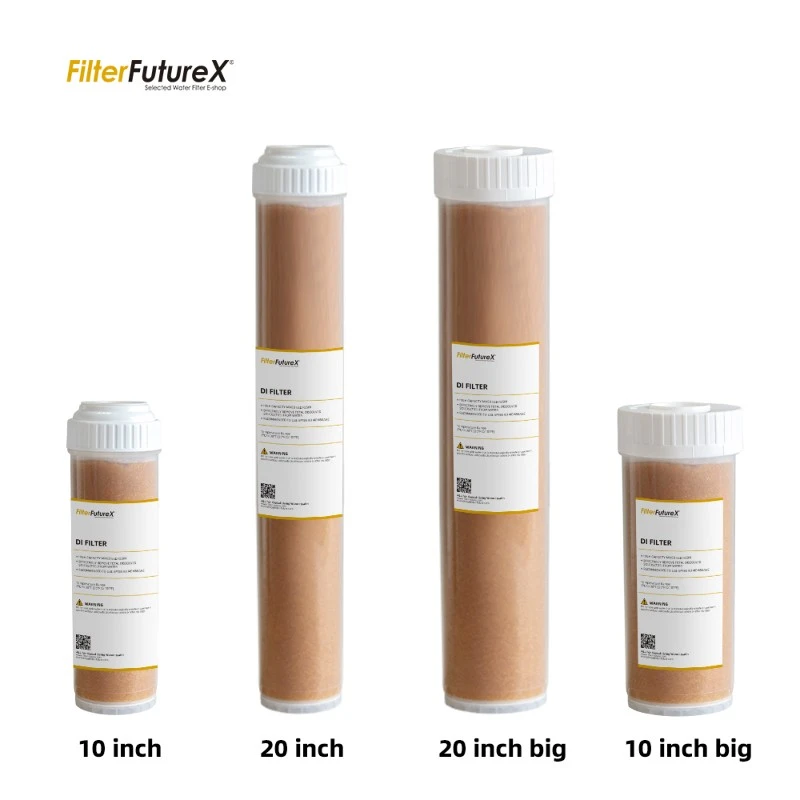
Ion exchange filtration systems function as water softeners by neutralizing hard minerals. In these systems, water circulates through resin beads carrying negative sodium ions. These negatively charged ions attract and capture positively charged calcium and magnesium particles, effectively removing them from the water stream.
Reverse osmosis water filter
Reverse osmosis involves multi-stage filtration where water is pressurized through a semi-permeable membrane. This process effectively traps contaminants while permitting purified water to pass through. The primary limitation of this technology is its production of wastewater as a byproduct, which typically requires disposal rather than reuse.


